Eğitimler
Yelkenle Tanışmaya Hazır Mısınız?
1. Eğitim Süreci: Hem Teorik Hem Pratik
Yelken eğitimi, hem teorik hem de pratik bir süreçtir. İlk başta karada, sonra denizde bir araya gelip öğrendiklerinizi hayata geçirirsiniz.
-
Teorik Eğitim: Burada, yelkenli tekne kullanmaya başlamadan önce bilmeniz gereken bazı temel bilgiler öğretilir. Yelkenin nasıl çalıştığı, rüzgarın yönünü nasıl anlayacağınız, denizde güvenlik kuralları gibi konularda bilgi alırsınız. Bir nevi “yol haritası” diyebiliriz!
-
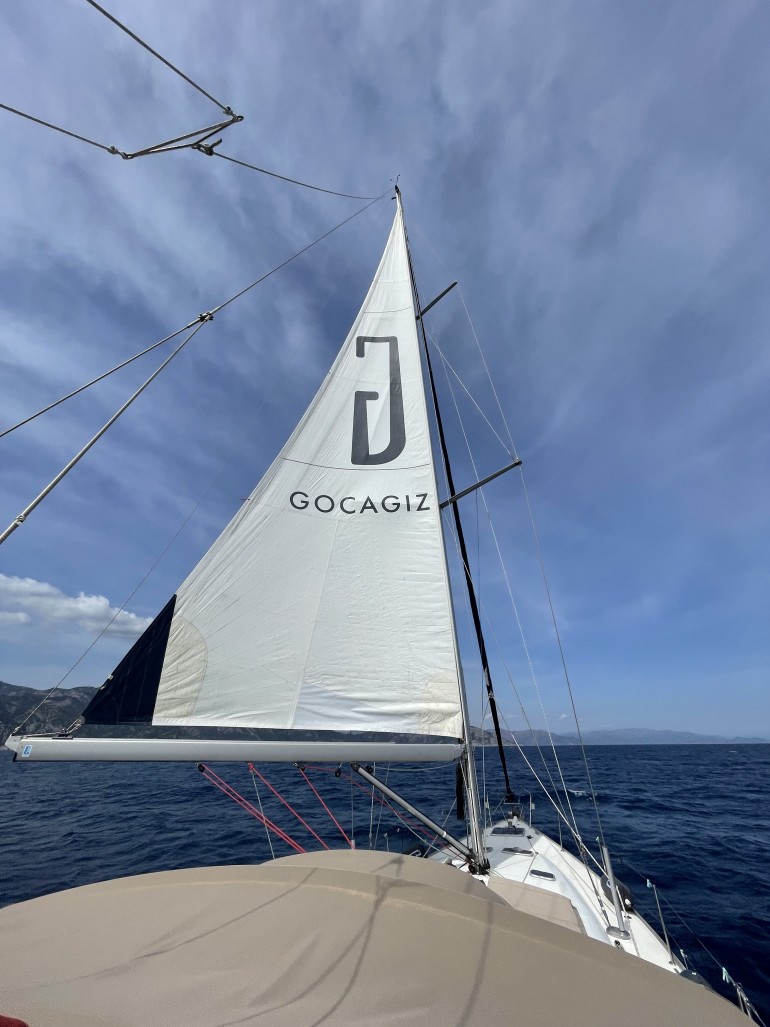
Pratik Eğitim: Bu bölümde, öğrendiklerinizi denizde uygulamaya koyarsınız. Yelkeni açmak, yelkeni doğru bir şekilde kontrol etmek, tekneyle manevra yapmak gibi temel becerileri gerçek zamanlı olarak öğrenirsiniz. Eğitmeniniz, her adımı sabırla gösterir, böylece denizde kendinizi güvende hissedersiniz.
2. Yelken Eğitimi Veren Tekne Seçerken Nelere Dikkat Etmeli?
Eğitim almak için tekne seçerken, bazı şeylere dikkat etmek önemlidir. İşte göz önünde bulundurmanız gerekenler:
-
Eğitmenlerin Deneyimi: Eğitmeninizin bilgisi ve deneyimi çok önemli. Sertifikalı ve deneyimli bir eğitmen, hem güvenliğinizi sağlar hem de daha hızlı öğrenmenize yardımcı olur.
-
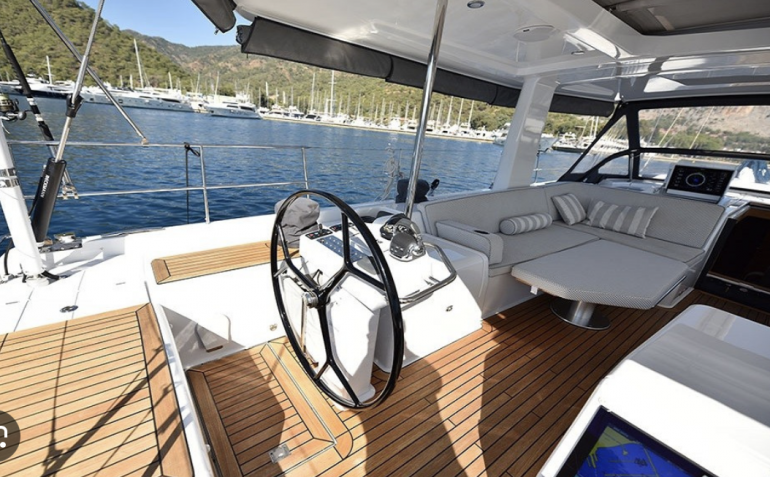
Tekne Tipi: Eğitim için seçilecek tekne, seviyenize uygun olmalı. Yeni başlayanlar için daha büyük ve stabil tekneler, ileri düzey yelkenciler içinse daha küçük ama manevra kabiliyeti yüksek tekneler tercih edilebilir.
-
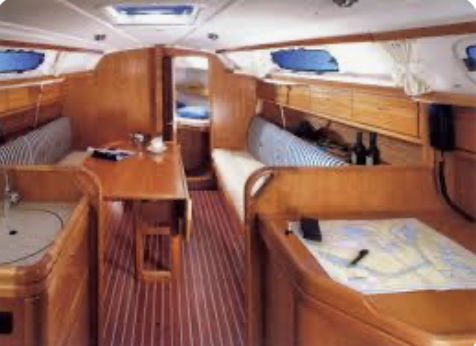
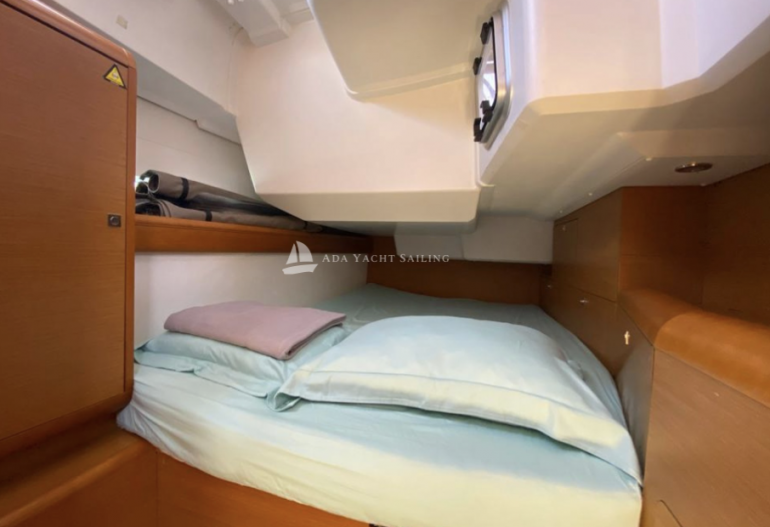
Konfor ve Ekipman: Teknenin konforu da önemli. Eğitim sırasında rahat hissetmeniz, başarıyı artırır. Ayrıca, pratik yaparken sizi rahat tutacak ekipmanlar (su geçirmez elbise, eldiven, şapka gibi) genellikle sağlanır.
3. Yelken Eğitimi Sonrası: Daha Fazla Pratik Yapmaya Ne Dersiniz?
Eğitim sonunda yelkenli tekne kullanmayı öğrenmiş olabilirsiniz ama bu, sadece bir başlangıç! Yelken becerilerinizi geliştirebilmek için daha fazla pratik yapmak faydalı olur. İyi haber şu ki, pek çok platform, eğitim teknelerini kiralayarak sizin gibi yeni başlayanların pratik yapmasını sağlıyor. Kendi başınıza denize açılarak öğrendiklerinizi pekiştirebilir, yelkenli teknelerinizi kiralayarak özgürce keşfe çıkabilirsiniz.
Yelken eğitimi, sadece bir beceri kazanmak değil, aynı zamanda denizin huzurunu ve özgürlüğünü daha yakından hissetmek demek. Yelkenle tanışmak, her anı dolu dolu yaşamak için harika bir fırsat. Eğer siz de bu heyecanı yaşamak istiyorsanız, güvenli bir eğitimle başlamayı unutmayın!İşte eğitim veren tekneler...